Apparently, nobody knows where the proposed $2.8 billion settlement will go, except $100 million to the lawyers (hey, lawyers got to eat, too. 3%, give or take, sounds fair). One of the things I disagreed with the Senator about, as he seemed to advocate for paying players, was his view of Title IX. He seemed to me to dismiss it as a real factor. Maybe he was right, but I’ve always wondered how it would be dealt with. The college presidents, Dawg bless them, seem to be in denial. 80% of the settlement money to mens football and hoops? What about payments going forward? “Uh, we are waiting to see what the plaintiffs propose.” Way to get out in front, suits. Jere, Dawg bless him, is outraged about the proposed attorney’s fees. He has been a good president, and I know he’s a smart guy, but dude. Focus on the big picture here. 3% < 97% + billions in future payments. Maybe focus on that. I have no real idea where it all goes, but I imagine the battle over the right side of the equation is just warming up.
GTP Refugees
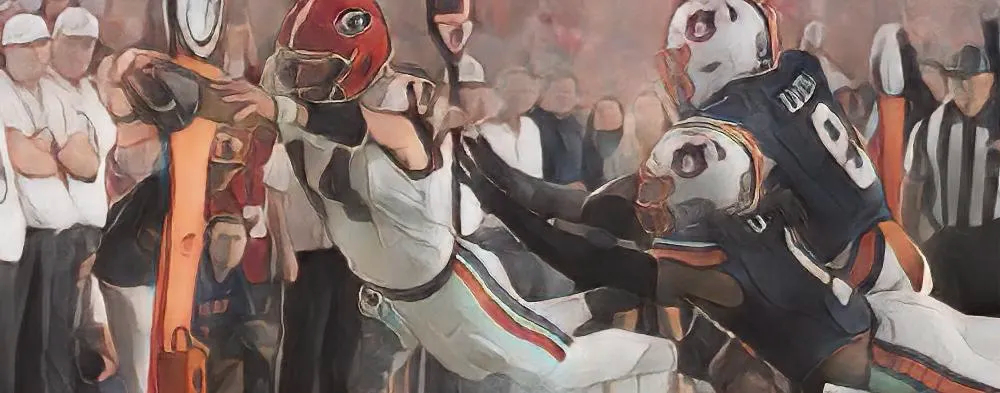
Let all the Bulldog faithful rally behind the men who now wear the red and black with two words, two simple words which express the sentiments of the entire Bulldog Nation: Auburn Sucks.
I think because the settlement dollars are allocated to back pay for missed NIL opportunities, Title IX isn’t a factor. Where it could matter is in the going forward payments of the approximately $20M per school per year to all athletes.
i think you are right, but just because it may not be strictly required doesn’t mean the concept of “equity” won’t be looked at. But that’s just people fighting over a defined sum for some past issue. Did the NCAA and members artificially suppress growth opportunities for women to make NIL money while funding the men’s sports, which didn’t get NIL? They did get the increased promotion/exposure that drives NIL. I’m not saying that’s a winning argument, but it seems like a possible argument. The forward looking plan is the real killer, and the complete lack of a plan by the suits suggest chaos to me. Do they not have a plan? Possible, and on brand. Do they have one, but they want to hide it until they see what the plaintiffs want, hoping it might be less than they’d give up? Possible, not a terrible negotiating technique, but unlikely to play out. Do they realize they’ve done do badly that no plan they make will work, and they’re kicking the can down the road in the hope Congress will save them? Possible. They have been awful at litigating, and also at learning from prior beatings. But I don’t think Congress will save them.
I don’t have the answers. I think I have some of the questions, which is something. I don’t think the suits have any answers, either, and they keep asking the wrong questions.
The Power 5 plus a few should have fully broken away from the NCAA at least a decade ago and restructured the relationship between athlete and university. They didn’t and now this is what we have – a Big 10 that stretches from coast to coast, an ACC that has California schools, and an SEC that has the school that seems to wreck every conference it joins. They have no one but themselves to blame for it.
I don’t know what Title IX is going to bring, but I imagine Jeffrey Kessler is huddling with some labor and civil rights attorneys to figure it out.
it feels like Kessler is the de facto commissioner of college sports. All the extra money flowing from the UGA and OU tv rights suit has led us here. The suits thought they could keep it all, and for a long time they did. But the bigger the pot of gold, the more willing someone will be to see if they can get some of it.
Maybe this is like Olympic sports going from strict amateurism to professionals. Players getting full scholarships, etc is not involuntary servitude, and has a definite value. But I agree that they are a big factor in generating exponentially more money than 40 years ago, and should get a fair share of that. It’s basic capitalism. But lots cones with that. Wage and labor rules, taxes, workers comp, benefits. Cumbersome? Sure, for both sides. But ultimately not avoidable.it is what it is.
It should be in the fine print in some way. Either the agreement allows for direct compensation to players based upon “market forces” which permits the starting qb to receive more $ than a gymnast OR they’re going to be forced to pay a flat amount across the board to all by operation of Title 9 and risk being drug back into court for running a cartel in violation of the Sherman Act. Logic, tells me it is probably the former, but if both sides agree it could go either way. Either the plaintiffs (with the help of the court) are essentially granting an antitrust exemption for the future OR there is some “carve out” for Title 9 that treats compensation differently than how a “benefit” has heretofore been understood. Now how such a settlement binds a 7th grader with the ambition to play volleyball at Stanford one day, I do not know. These things give rise to the joke:
What’s the difference between God and a Federal District Judge?
God doesn’t think He is a Federal District Judge.
I do know that there are decades old agreements between parties monitored by federal courts every day.
I agree, I think the former will prevail. But I still think they’re going one more time to request an anti-trust exemption before that’s finalized.
Please pay AJ Green and Todd Gurley back pay for the games they missed due to NCAA rules and a panicky AD.